
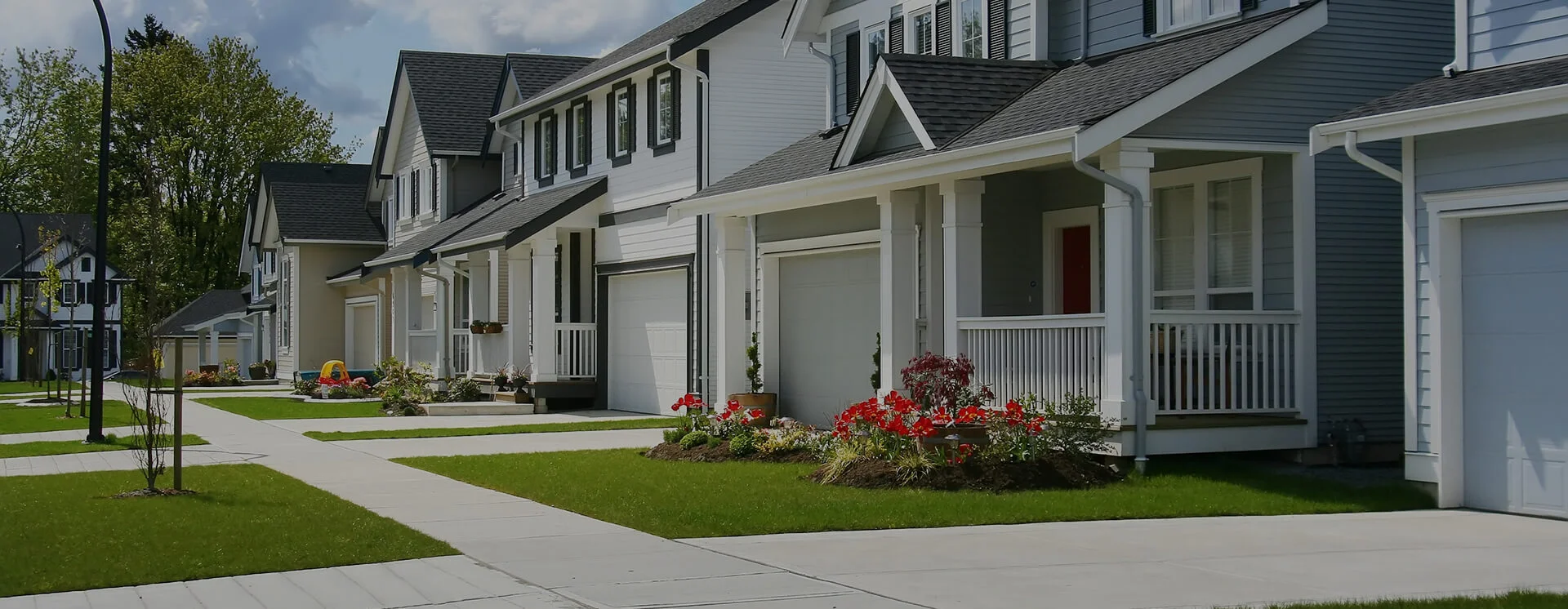


Buying your first home can be overwhelming in many ways. There are so many decisions to make an many people do not realize that there are home buying grants that provide down-payment assistance in all 50 states.
One of the most important of course is getting approved for a mortgage and saving up for a down payment. The down payment as well as closing costs are often the two biggest things that make buying a first home so challenging.
Without any equity to bring to the closing table, most people need to just save up the money to get the deal closed. The RefiGuide will help you learn about the best home buyer grants for borrowers in 2026.
Secure an Attractive Home Buying Grant with Down Payment Assistance

How hard is buying a first home? Statistics suggest that 80% of millennial renters want to buy their first home but say they cannot afford it.
But what they may not know is that there are many first time home buyer credit programs and grants available for those who qualify.
You may be able to qualify for one of these first time home buyer grants so that you can afford to buy a home faster than you thought.
#1 Good Neighbor Next Door
The Good Neighbor Next Door loan program that is sponsored by HUD offers help in buying a first home to people who work in law enforcement, firefighting, teaching and the EMT field.
This program allows the buyer to get a discount on the property as high as 50% off the listed price. The homes are located in HUD-designated revitalization areas.
Many of these homes are available for a $100 down payment if you are using FHA home financing. You would have to put more money down if you used conventional financing, so FHA lending is highly recommended for this program.
By using the HUD website, you can look for properties that are eligible in your area. A requirement for the program is that you will live in the home for at least three years. Note that these homes are only listed for seven days so it is important to act quickly.
A big plus of this program is that if you sell the home after three years, you get to keep all of the profits and equity for yourself. You do not have to pay back HUD.
#2 Dollar Homes
HUD does offer some fixer upper homes for as little as a dollar. These are homes that are picked up by FHA through the foreclosure process. Of course, this is a small number of houses. The last time we checked on the site, there were only a few homes. There also will be homes listed on this site for a few thousand dollars. If you consider a home on this list, it is important to have it carefully reviewed by a home inspector.
#3 Native American Direct Loan
For the last 25 years, the Native American Veteran Direct Loan program has assisted veterans who are of Native American descent as well as their spouses to purchase homes on federal trust lands. The VA is the lender.
If you and your spouse are eligible, you do not have to make a down payment at all or pay for private mortgage insurance. This is not a grant program per SE, but those who qualify can get no money down mortgage loan, so this program is a huge benefit for the qualifying first-time buyer. Other benefits include lower closing costs, low interest 30-year, fixed rate loan, and the ability to reuse the benefit more than once.
#4 State Specific Grant Programs
There are many other grant programs available in the US for first time home buyers, but many of them are specific to the state. For example, in Texas, there is the Homes for Texas Heroes Loan Program. This program offers buyer assistance for police, teachers and correctional officers. It also may be used by firefighters, veterans and EMS personnel.
The program may feature these benefits for first time home buyers:
- Down payment assistance of up to 5% of the loan amount
- Do not have to be a first-time home buyer to qualify
- Do not have to live in the home for a certain time period
- The down payment help does not have to be repaid
- The loan is a 30-year fixed rate mortgage in many cases, but other options are available
This program also may be available to other buyers who have low to moderate incomes. It’s not always easy to get a approved for first time home loan with bad credit, but it is still possible if you have strong compensating factors.
This Texas program also offers eligible buyers a Mortgage Credit Certificate or MCC. Those who qualify for the above program may get their MCC for free – a $500 value. The MCC comes with these very attractive benefits for heroes in Texas who qualify:
- Save as much as $2,000 per year as a special first time homebuyer tax credit based on the mortgage interest you paid. This can save you thousands of dollars over the life of the loan.
- You have to be a first-time home buyer to quality, which means you have not bought a home in the last three years
- No minimum credit score is required.
- This certificate can be used with the best down payment assistance programs above.
If you are considering a state or local home buying assistance program, it is important to note if the assistance is a grant or a loan. Some of these down-payment assistance programs will require you to pay back the money over time.
Another issue to consider is called tax recapture. Some programs feature a recapture tax if you sell the home at a profit before a certain number of years go by. So, if you get some gains from the home’s increased value, you could get taxed to make up for the break you got when you purchased.
How Do Home Buying Grants Help with Down-Payment Assistance
Down payment assistance is a valuable resource designed to aid first-time homebuyers in covering the upfront costs associated with purchasing a home. Typically, when buying a home, a down payment is required, representing a percentage of the final purchase price. The specific amount needed varies, and certain mortgage programs may even waive the requirement for a down payment.
However, accumulating this initial sum can pose a challenge for many individuals. This is a home buying grant plays a key role, offering grants, home financing, and various mortgage programs tailored to support first-time buyers in overcoming this financial hurdle.
These assistance initiatives play a crucial role in facilitating homeownership by providing the necessary financial aid to make the home buying process more accessible for those who may find it challenging to come up with the required funds independently.
Down Payment Assistance Grants FAQ
Do I have to pay back down payment assistance grants?
Most down payment assistance programs do not require repayment if you meet residency requirements, typically 3-5 years of continuous occupancy as your primary residence. True grants become yours permanently once you fulfill occupancy obligations. However, some programs structure assistance as forgivable loans that reduce annually (for example, 20% forgiven per year over 5 years). If you sell or refinance before the forgiveness period ends, you must repay the unforgiven portion. Deferred-payment loans require full repayment when you sell, refinance, or transfer title. Always clarify repayment terms before accepting assistance to avoid unexpected obligations.
What are the income limits for down payment assistance programs?
Income limits for down payment assistance programs typically range from 80-120% of Area Median Income (AMI), varying by program, location, and household size. In 2026, for a family of four, this translates to approximately $60,000-100,000 in lower-cost areas and $90,000-150,000 in high-cost markets like California or New York. Many programs target moderate-income households earning 100% AMI or less, while some serve middle-income buyers up to 120-140% AMI. First-time buyer programs often have more generous limits. Income calculations include wages, self-employment income, investment income, and sometimes retirement distributions. Check your local housing authority for specific limits in your area.
Can you use down payment grants with FHA loans?
Yes, most down payment assistance grants are fully compatible with FHA loans, creating powerful combinations for low-to-moderate income buyers. FHA loans require only 3.5% down with 580+ credit scores, and grants can cover this entire amount plus closing costs. This effectively enables zero out-of-pocket home purchases for qualified buyers. Common pairings include state housing finance agency grants with FHA loans, local government down payment assistance programs, and nonprofit housing counseling organization grants. However, grants cannot exceed reasonable closing costs and required investment amounts per FHA guidelines. Some grants have specific requirements about loan type compatibility, so verify eligibility with both the grant provider and your FHA lender.
How do I find down payment assistance programs in my state?
Find down payment assistance programs through these resources: (1) Your state Housing Finance Agency website — all 50 states operate programs with searchable databases, (2) HUD.gov’s local office directory connecting you to approved housing counselors who know all available programs, (3) Down Payment Resource (downpaymentresource.com) — free database of 2,500+ programs searchable by ZIP code, (4) Local lenders and mortgage brokers who partner with assistance programs, (5) County and city housing departments offering local grants, and (6) Nonprofit organizations like NeighborWorks America or Habitat for Humanity. Start with your state housing agency, as they administer the largest programs with the most funding availability.
What credit score do you need for down payment assistance?
Credit score requirements for down payment assistance programs typically range from 580-640 minimum, depending on the program and paired mortgage type. FHA-compatible assistance programs accept 580+ scores (3.5% down) or 500-579 with 10% down. Conventional loan assistance programs usually require 620-640 minimum. Some state and local programs set their own minimums, occasionally as low as 580 for well-qualified applicants with strong compensating factors like low debt-to-income ratios or substantial cash reserves. Higher credit scores (680+) expand your options and may qualify you for larger grant amounts. Programs prioritize creditworthiness, stable income, and responsible debt management over perfect credit scores.
About Bryan Dornan
Bryan Dornan is a financial journalist and mortgage industry veteran with nearly 30 years of experience as a lender, loan officer, mortgage broker, and chief marketing officer. He currently serves as Chief Editor of RefiGuide.org, where he has built one of the most trusted mortgage education platforms in the United States. Bryan has founded multiple mortgage and digital marketing companies throughout his career and remains focused on helping homeowners leverage home equity wisely while making affordable homeownership accessible to everyday Americans. He is a licensed California Real Estate Broker DRE: #01203791. and writes for RealtyTimes, Patch, Buzzfeed, Medium and other national publications. Find him on Twitter, Muckrack, and Linkedin
More articles by Bryan Dornan